
The Electric Revolution: Best Electric Cars of 2025
Introduction
Welcome to 2025, a landmark year for the automotive industry. The "early adopter" phase of electric vehicles (EVs) is officially over, and we have entered the era of mass-market dominance. With charging infrastructure reaching record density and battery technology pushing ranges beyond the 400-mile mark, there has never been a better time to ditch the pump.
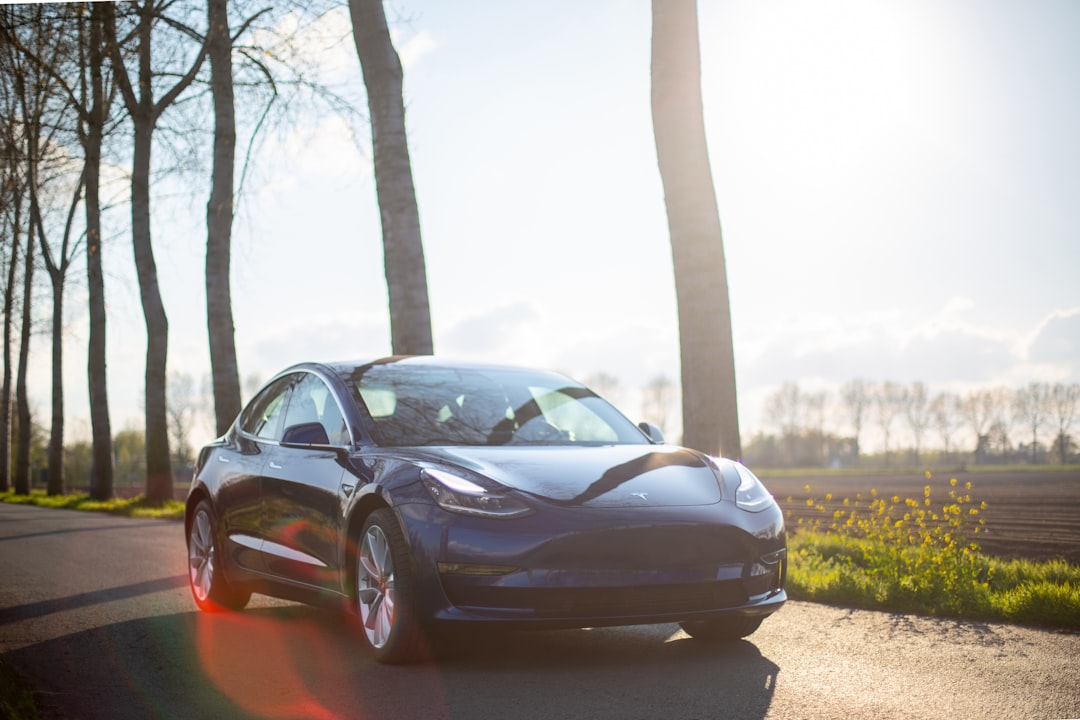
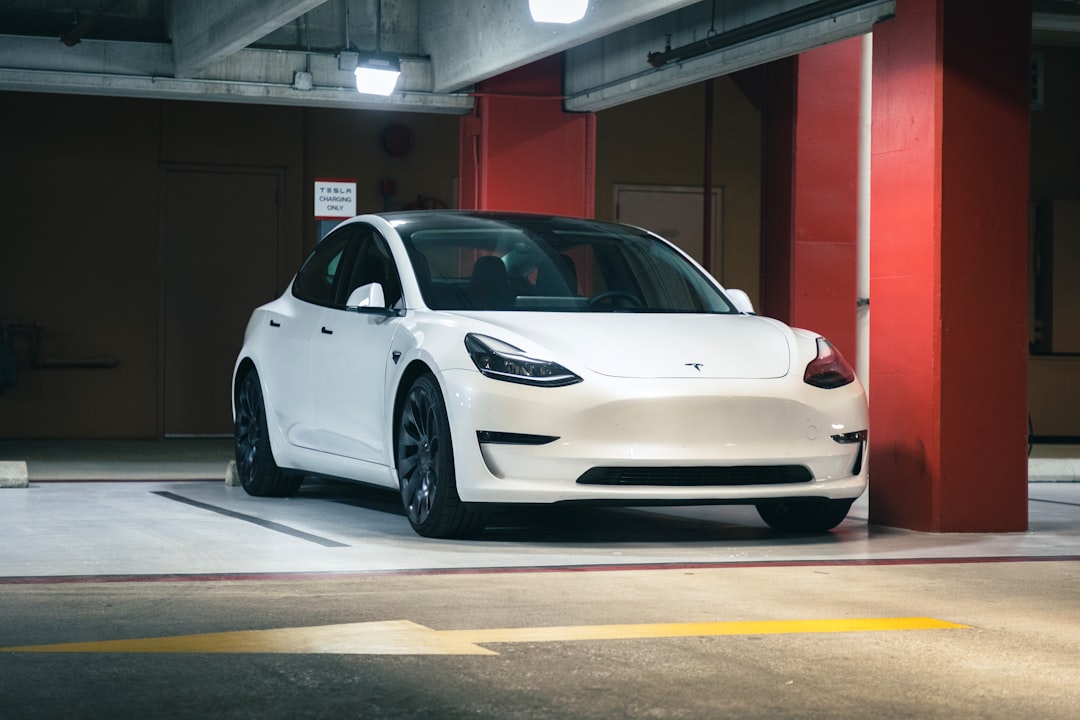
In this guide, we explore the top contenders for the best electric cars of 2025, focusing on the Tesla Model 3 (Highland Refresh), the Kia EV9, and the ultra-luxurious Lucid Air Sapphire. Whether you are looking for a family hauler, a sleek commuter, or a performance beast, 2025 has something for everyone.
Specifications
Comparing EVs requires looking beyond just horsepower. We look at battery capacity, charging speeds, and 0-60 mph times. Here is how the top models stack up:
| Model | Battery Size | Max Range | 0-60 mph | Max Charging Speed |
|---|---|---|---|---|
| Tesla Model 3 Long Range | 75 kWh | 341 miles | 4.2 seconds | 250 kW (DC) |
| Kia EV9 (GT-Line) | 99.8 kWh | 270 miles | 4.5 seconds | 210 kW (DC) |
| Lucid Air Sapphire | 118 kWh | 427 miles | 1.89 seconds | 300 kW (DC) |
Driving Experience
The 2025 crop of EVs offers a diverse range of driving dynamics. The Tesla Model 3 remains the benchmark for agility; its steering is sharp, and the low center of gravity makes it feel like a sports sedan through the corners.
In contrast, the Kia EV9 prioritizes comfort. Despite its massive size, the instant torque from the dual motors allows it to merge onto highways with ease, while the regenerative braking system is finely tuned to allow for smooth "one-pedal" driving. For those seeking the pinnacle of performance, the Lucid Air Sapphire offers physics-defying acceleration that rivals multi-million dollar hypercars, paired with a sophisticated air suspension that glides over imperfections.
Interior and Technology
Step inside a 2025 EV, and you are stepping into a mobile command center. Technology is no longer just a feature; it is the core of the vehicle.
- Tesla Model 3: Features a minimalist cabin with a central 15.4-inch touchscreen that controls everything from the glovebox to the Autopilot settings. The 2025 model includes upgraded acoustic glass for a silent ride.
- Kia EV9: Offers a three-row layout with "relaxation seats" that recline fully with footrests. The dashboard features a panoramic triple-display including a dedicated climate control screen.
- Lucid Air: Boasts a "Glass Canopy" roof and a 34-inch 5K cockpit display that curves around the driver, using the latest AI-driven voice assistant to manage navigation and media.
Efficiency and Range
In the EV world, "Fuel Efficiency" is measured in MPGe (Miles Per Gallon equivalent) or kWh/100 miles. Efficiency has improved by roughly 15% across the board in 2025 due to better heat pumps and more aerodynamic wheel designs.
The Hyundai Ioniq 6 (a close runner-up this year) continues to lead the pack in pure efficiency, achieving over 140 MPGe. Most 2025 models now come standard with NACS (North American Charging Standard) ports, allowing seamless access to the Tesla Supercharger network, which significantly reduces "range anxiety" for long-distance travelers.
Safety
Safety is a standout category for 2025 EVs. Because they lack a heavy engine block in the front, these cars have massive "crumple zones." Most models featured here have earned the IIHS Top Safety Pick+ rating.
Advanced Driver Assistance Systems (ADAS) have also evolved. We are seeing more "Level 3" autonomous features, such as hands-free highway driving in the Kia EV9 (via Highway Driving Pilot) and enhanced vision-based obstacle detection in Tesla’s latest FSD (Full Self-Driving) beta suites.
Pros and Cons
Pros
- Instant Torque: Exceptional acceleration at any speed.
- Lower Maintenance: No oil changes, spark plugs, or timing belts to worry about.
- Quiet Operation: Drastically reduced noise pollution.
- Home Charging: The convenience of "refueling" in your garage overnight.
Cons
- Depreciation: High-end EVs still see sharper initial value drops compared to hybrids.
- Weight: Heavy batteries can lead to faster tire wear.
- Cold Weather: Range can still drop by 20-30% in extreme freezing temperatures.
Conclusion
The best electric cars of 2025 demonstrate that we no longer have to compromise. You can have the utility of a large SUV like the Kia EV9, the value and tech of the Tesla Model 3, or the breathtaking luxury of the Lucid Air.
As battery prices continue to fall and charging speeds continue to rise, the argument for internal combustion engines is thinning. If you're looking to upgrade your ride this year, the electric market offers more variety, performance, and reliability than ever before. The future isn't coming—it's already parked in the driveway.